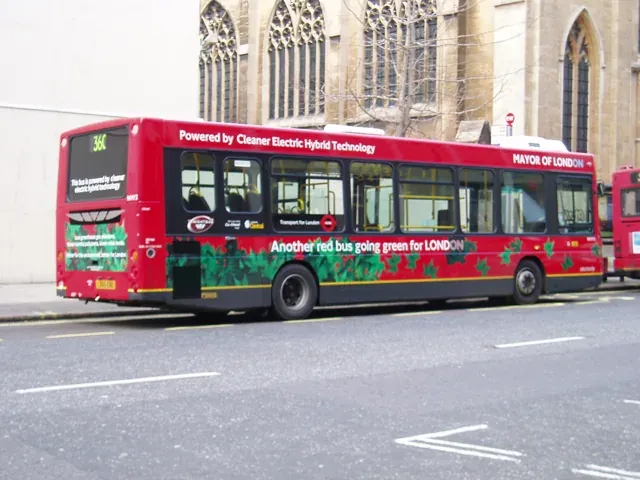
Two Stadtreinigung Hamburg street sweepers, Hamburg, March 2008
ECO EFX Solutions · Industry overview

Public sector & emergency services

What does it cost in fuel to run the timetable, keep streets clean and collect household waste? For budget holders, the starting point is the cost of the service delivered and who pays the bill.

Preparing an application review for buses and coaches

When a review is useful

Distinguish scheduled bus services from coach and long-distance operations. A useful comparison accounts for passenger load, stops, routes and auxiliary loads such as air conditioning.

What data to prepare

Vehicle, engine and air-filter details; fuel quantities, service distance, operating hours, idling and passenger load over comparable periods. Note maintenance and changes in service or auxiliary equipment.

What to discuss with ECO EFX

Describe your bus operation and available records to our team. Discuss which application requirements and comparison conditions still need clarification. Suitability and any effect must be assessed for the intended operation.

Discuss your application

The existing calculator covers municipal bus service costs. Coach operations need a separate assessment; loaded freight kilometres are not a passenger-transport measure.

Municipal finance

A lower fuel bill can have three explanations

The fleet used less fuel to deliver the same service, the purchase price fell, or fewer services ran. Only the first is a gain in fuel efficiency. The next question for the finance director is whether the benefit reaches the public budget or stays with the contractor.

Identify who buys the fuel and who bears the cost. A city department may pay the invoice, a municipal company may cover it from fares or fees, or a contractor may pass a price change to the authority under the service contract. In Hamburg, for example, the city budget funds carriageway cleaning; adjoining properties pay for pavement cleaning where a charge applies. SRH · Gehwegreinigungsgebühren ↗

Hamburg’s 2025/26 budget puts non-fee-funded city cleanliness services delivered by Stadtreinigung Hamburg at about €47.5 million a year. This covers a range of public services; it is neither a fuel budget nor an estimate of potential savings. Hamburg · Kennzahlenbuch 2025/26 · B_293_11_037 ↗

What does the service cost to deliver?

Compare the same period, similar workloads and the same service standard. Fuel records supply the litres. Timetables, shift logs and weighbridge tickets supply the measure of work delivered.

ServiceWhat to costWhat must still be delivered
Scheduled busesFor diesel buses, litres per 100 vehicle-kilometres measure fuel intensity. For the budget, divide total fuel expenditure, including depot journeys, by timetable kilometres actually operated.Reconcile vehicle logs with the timetable. Record cancelled trips, capacity and punctuality.
Trams, metros and local railCost and traction electricity per train-kilometre. State train length; use passenger-kilometres separately when assessing occupancy.Check frequency, crowding and step-free access.
Street sweepingFuel cost per operating hour measures the cost of running the machine. Cost per kilometre of kerb actually swept relates that spend to the cleaning service delivered.Separate travel to the route, sweeping and repeat visits. Compare routes with similar cleaning standards and levels of soiling.
Refuse collectionWhere weights are recorded, divide fuel spend on collection rounds by tonnes collected. Without weights, stops served can provide a different basis for comparison; cost per tonne remains unknown.Match weighbridge tickets to route logs. Record stops, payload and trips to the unloading point. Lifting bins and compacting waste also require fuel.Waste collection: examine the operating records
Winter road maintenanceCost per lane-kilometre treated, by ice or snowfall conditions. Record repeat passes and standby costs.Check priority routes, call-out times and the agreed level of access.
Fire, rescue and civil protectionCost per staffed vehicle-hour ready for dispatch. Log fuel for call-outs, pumps and stationary equipment separately.Check response times, reserve cover and vehicle availability.
Parks, highways and municipal worksCost per completed work order or productive machine-hour. Record travel, trailer loads and power-tool use separately.Check the backlog, repeat visits and the standard of completed work.

Which changes belong in the budget?

Who sees the saving in the public budget?

If you manage a transport ministry’s budget or a municipal fleet budget, start with the contract. Who buys the fuel, who pays the operator and which budget line bears a price change? If a contractor buys less diesel, check when the amount billed to the authority changes.

For a bus network, compare fuel expenditure with the kilometres of scheduled service actually delivered. For street cleaning, use kilometres swept to the agreed standard. Report direct CO₂ separately, using actual fuel quantities and a documented factor for the fuel. A cancelled service reduces both the bill and the service residents receive.

Routes and time spent idling

Start with depot journeys and time spent waiting with the engine running. Compare similar rounds on the same timetable or to the same cleaning standard. Record pumps, compactors and emergency standby separately: these serve operational needs.

Maintenance and technical options

Document servicing and filter changes before comparing periods. If you trial an additional measure, compare it with a vehicle on its normal maintenance schedule. Include materials, staff time and downtime over the full trial. For procurement, the question is whether the measured reduction in fuel costs at the same level of service covers that additional expense.

Technical references: U.S. Department of Energy · AFDC ↗

nanoEFX is applied to the engine intake air filter and costed per treatment. A fuel additive is dosed into the tank and costed against the volume treated. The financial case for either option depends on what the operator measures in service.

Which change would actually release public funds?

Take a proposed revision to a sweeping route. Compare equivalent weeks and inspected results. Reconcile the fuel invoices with the distance swept, brush hours, staffing, repairs and any extra pass. A shorter depot journey may release vehicle time; it changes expenditure only if a purchase, shift or invoice changes.

For outsourced services, read the price-adjustment clause first. At a fixed contract price, a change in the operator’s fuel use may not change the city’s current payment. Where fuel is indexed, reconcile the index, its share of the price and the review date with the invoice. Do not count both the contractor’s fuel and the full service invoice as public spending.

Municipal finance · transport and street cleaning

What does the fuel budget buy for the public?

A bus timetable purchases kilometres of passenger service. A street-cleaning budget funds hours of machine operation. Compare each service with its own output before deciding which cost the authority can influence.

01

Scheduled buses

43.02 L/100 km

A field study published in 2024 monitored 15 diesel buses in urban and rural service in Chile for more than three months. They averaged 43.02 litres per 100 vehicle-kilometres. That figure includes the distance measured by telematics; it is not a cost per kilometre of passenger service.

For illustration, if 90 of 100 vehicle-kilometres were in passenger service, 43.02 L would mean 0.478 L per service kilometre. The assumed service mix was not measured in the study.

Primary study · 2024 · DOI and abstract ↗
02

Street sweepers

5.87 L/h

From September 2016 to October 2019, three diesel CityCat sweepers in Zurich used 102,536 litres over 17,478 operating hours: 5.87 L/h, rounded. These are recorded machine hours, not necessarily hours with the brushes engaged. The observation describes that fleet and period.

At the recorded volume, a CHF 0.10/L price change would move expenditure by CHF 10,253.60 over the whole study period. This is price sensitivity, not an annual saving or the price paid.

Bucher Municipal · PP-15-11 · 2019 · section 1.1, p. 4 ↗

Which change actually releases public funds?

For buses, review empty depot runs while holding the passenger timetable and capacity constant. For sweepers, examine transfer time and idle time against cleaned streets and the required cleaning standard. A reduction in scheduled service is not an efficiency gain. In contracted operations, check whether the authority pays the invoices or instead pays a fixed or indexed service fee.

Hamburg: fleet energy, fuel expense and bus service

Stadtreinigung Hamburg: energy used by vehicles and working machinery

YearDiesel (litres)Charging electricity (MWh)
20235,210,023402
20245,290,070597
20254,663,877977

The bars show diesel on one scale starting at zero. Charging electricity is shown separately. The totals cover the reporting body’s vehicles and working machinery; they cannot be attributed to street sweepers alone.

Source: SRH · Umwelterklärung 2025 · 36 ↗

Direct diesel emissions reported by Stadtreinigung Hamburg

Yeart CO₂e
202314,250
202414,494
202512,842

The provisional group greenhouse gas inventory reports tonnes of CO₂ equivalent from diesel combustion, within the scope of its environmental statement. This is a different reporting boundary from the vehicle energy table. The figures do not isolate any one service.

Source: SRH · Umwelterklärung 2025 · 26 ↗

What changed on the fuel account?

Stadtreinigung Hamburg reported €0.7 million less in fuel expense in 2025 than in 2024. The accounts do not split this change into prices, volumes or vehicle classes. Nor do they show that the city could reduce its appropriation by the same amount.

Source: SRH · Jahresabschluss 2025 · 25 ↗

What did the transport authority pay for?

For HOCHBAHN bus services within Hamburg in 2024, hvv reports 55.508 million timetable kilometres delivered and €233.759 million in public service compensation. A separate €13.942 million payment under section 45a PBefG is excluded from that compensation figure. These are payments for running a service, not diesel spending.

Source: hvv · Hamburg · Bus · 2024 ↗

Visual industry analyses

What share of English local buses used diesel engines?

England · 03/2024 / 03/2025

Share of local buses in England classified as diesel, excluding diesel hybrids, in March of each year. The fleet count is not a fuel-consumption measure.

%
  • 202473 %
  • 202570 %
Source: DfT · BUS06e · 2025 ↗ · Source: DfT · BUS06e · 2024 ↗
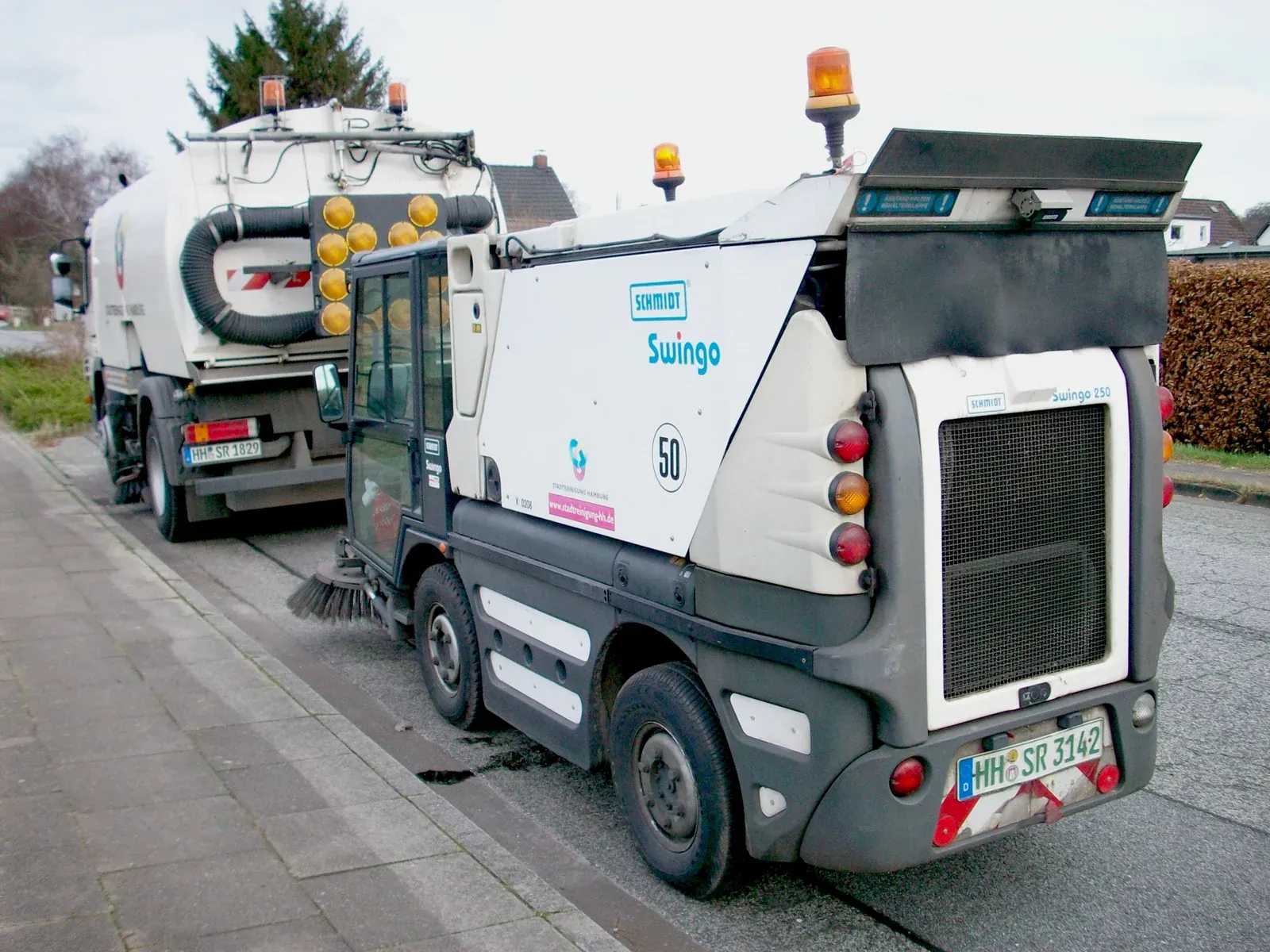
A London bus on route 360.
Operating context

A London bus on route 360.

Peter Burgess · CC BY 2.0 · WebP
Data for your assessment
Operating recordWhat to collect
Operating metricFuel by service and vehicle class
Compare like with likeCompare like duties; separate standby and emergency use
Costs to recordBudget per service hour

Regional questions for your operation

The same comparison needs may be expressed with different fuel, vehicle and unit labels. Use these questions to prepare your operating records and discuss the intended application with ECO EFX.

Europe: DACH, UK, Scandinavia and SpainHow do scheduled buses and coaches need different comparisons?

Record service distance, stops, passenger load and auxiliary use. Keep scheduled service, tourism and long-distance operation distinguishable.

USA and CanadaCan transit-bus and motorcoach MPG figures be compared directly?

Identify the service, gallon standard, route and passenger load. Convert units consistently; fuel economy alone is not cost per service kilometre.

Spanish-speaking Latin AmericaDo buses, ómnibus and colectivos describe the same service?

Identify the actual vehicle and route type, then record service distance, passenger load, stops and idling. A local vehicle name is not an operating profile.

South Africa and West AfricaWhat if only refuelling receipts and bus schedules are available?

Match fuel quantities to the same vehicles and service period. Note missing distance, passenger-load or idling data before discussing a comparison.

Saudi Arabia, UAE, Oman and QatarHow should air conditioning enter a passenger-transport comparison?

Document auxiliary loads, stops, passenger load and route conditions alongside fuel use. Keep the service delivered comparable.

IsraelWhich records help compare bus fuel use in Israel?

Define service kilometres, operating hours and passenger load consistently across Hebrew or English documents. Separate scheduled and coach operations.

RussiaWhat is needed to compare scheduled and intercity bus consumption?

Identify the service and vehicle configuration. Record fuel, service distance, passenger load and maintenance for comparable periods.

IndiaHow should bus mileage and passenger load be recorded?

State the consumption unit and whether the service is urban, intercity or tourism. Match fuel use to service distance and passenger load.

ChinaWhich records make passenger-vehicle fuel consumption comparable?

Distinguish urban buses from long-distance coaches. Record route, passenger load, stops, idling and fuel quantities for the same period.

Questions for finance teams

What belongs in a fleet replacement decision?

Compare purchase or lease, financing, fuel or electricity, depots and charging equipment, maintenance, reserve vehicles and residual value over the same service life. State which costs fall on the authority and which on the operator.

How should finance report an apparent saving?

Separate price, quantity and service changes. Show the affected budget line, the period, and who retains the difference. If a bus journey was cancelled or a street missed its scheduled clean, report the lost service alongside the lower spend.

How can emissions be compared across mixed fleets?

Report fuel used by fuel type and purchased electricity in kWh separately. Identify the operator, period, and source and year of each emissions factor. Keep direct combustion, electricity generation and any wider life-cycle assessment distinct; a fuel invoice alone cannot establish total emissions. US EPA · CO₂ ↗

Discuss technology use for your public-service fleet

Describe your buses, municipal vehicles and emergency-service vehicles, their engines and typical operating conditions. Discuss with our team what information is needed to assess a potential application.

Discuss potential applications